Source Low Smoke Bamboo Charcoal Briquette for BBQ, Shisha, and Parties
Compare 30 listings of Low Smoke Bamboo Charcoal Briquette from Hebei, China. Buyers can review specifications like fixed carbon, ash content, and burning time for barbecue, hookah, and outdoor events.
Key considerations
Products List


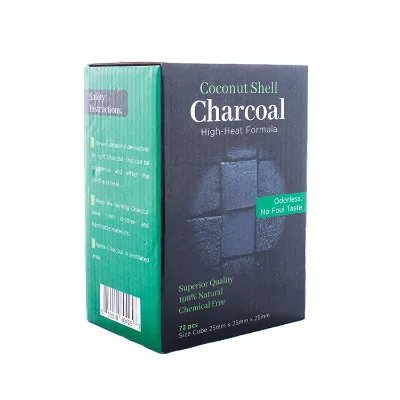
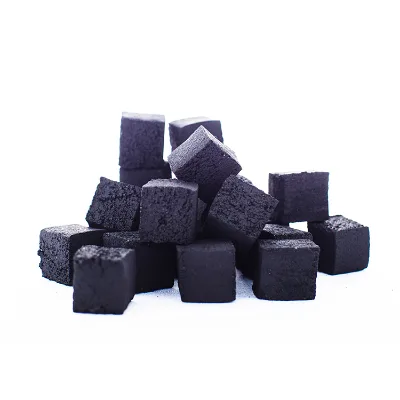


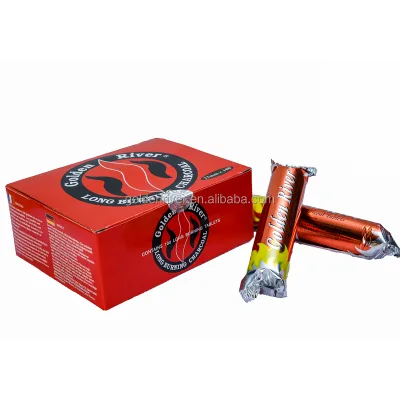
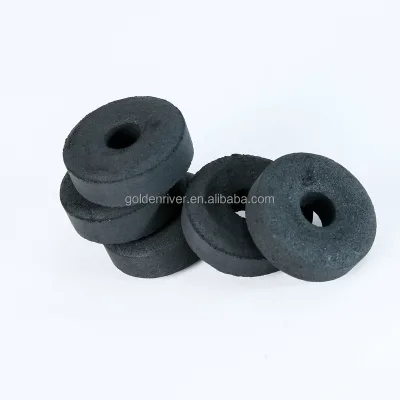

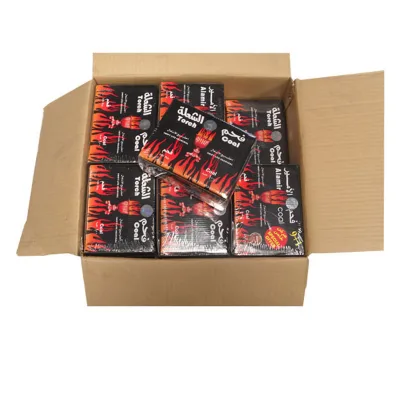

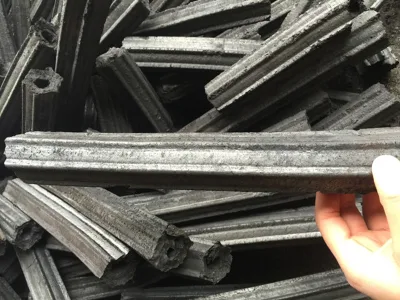
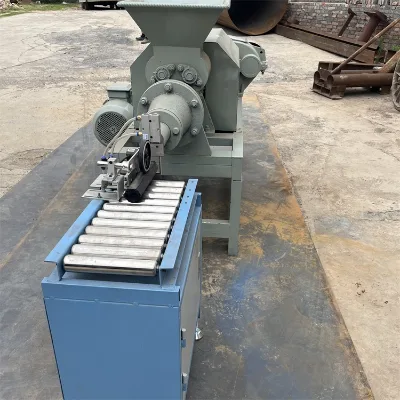
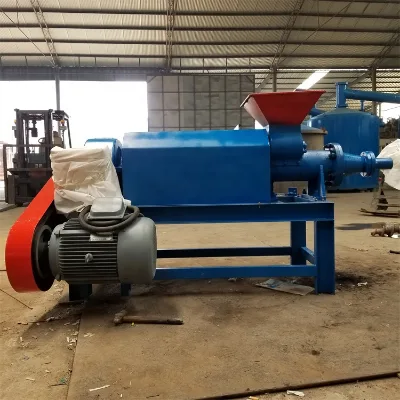
Comprehensive Sourcing Guide
Strategic Sourcing Guide for Low Smoke Bamboo Charcoal Briquettes
The global demand for sustainable and efficient heating solutions has elevated the profile of low smoke bamboo charcoal briquettes in the B2B marketplace. These products serve as a critical alternative to traditional wood charcoal, offering superior combustion characteristics for diverse applications ranging from commercial hospitality to industrial heating. For procurement professionals, navigating the supply chain requires a disciplined approach that prioritizes verified technical specifications, material integrity, and supplier reliability. This guide synthesizes observed market data and technical attributes to provide a framework for sourcing high-quality bamboo charcoal briquettes without relying on unverified marketing claims.
Technical Specifications and Material Composition
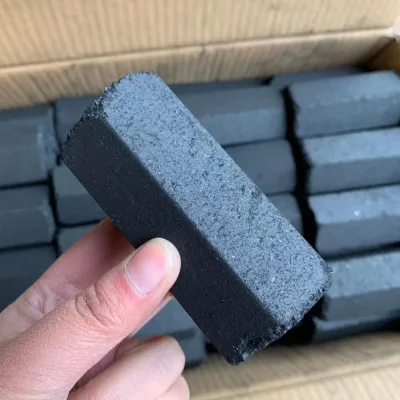
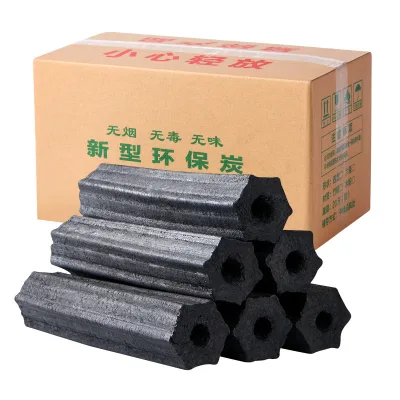
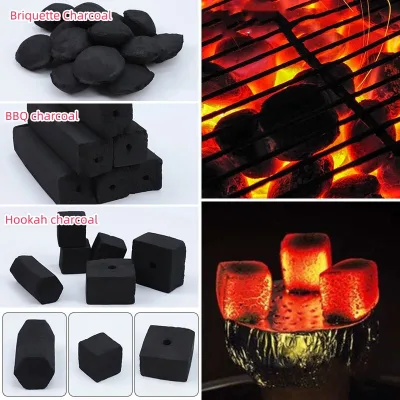
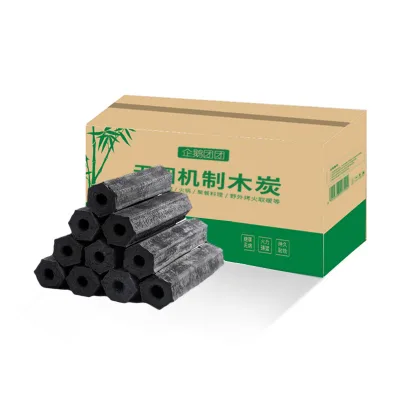
Understanding the fundamental composition of bamboo charcoal briquettes is the first step in defining procurement requirements. The core material, as observed in high-confidence product data, is derived from hard wood and bamboo sources. This distinction is vital because the carbonization process of bamboo yields a specific porosity and density that influences burning performance. The physical form of the product varies significantly across suppliers, with common shapes including briquettes, sticks, and cubes. Specific model observations indicate a "Hexagonal Stick" configuration (e.g., model BCB-Hexagonal Stick) alongside standard "Cube" and "Lump" varieties.
The chemical and physical properties of these briquettes are the primary drivers of their performance. Buyers must verify that the Fixed Carbon content falls within the optimal range of 80% to 90%, with some high-grade specifications reaching up to 90%. This high carbon content is directly correlated with the product's ability to generate intense heat with minimal waste. Furthermore, the moisture content is a critical quality indicator; reliable products typically maintain moisture levels below 5%, with some specifications citing a range of 3% to 5%. Low moisture ensures faster ignition times, often observed between 5 to 10 seconds, and prevents energy loss during the initial heating phase.
Volatile matter and ash content are equally important metrics for smoke reduction. The target profile for low smoke products includes volatile matter under 6% and ash content generally below 8%, with premium variants achieving as low as 3%. These low emissions are what define the "low smoke" attribute, making the product suitable for indoor or semi-enclosed environments where air quality is a concern. The heat value, or calorific value, is another key specification, with observed ranges between 6000 and 7000 Kcal/Kg. This energy density supports burning times that can extend from 90 minutes for smaller sticks to over four hours for denser briquettes, depending on the specific application and airflow.
Compliance, Certification, and Environmental Standards
In the B2B sector, compliance with environmental and safety standards is non-negotiable. While specific certification bodies are not universally mandated by the provided data, the environmental performance of bamboo charcoal is a significant selling point. Buyers should verify that suppliers adhere to standards regarding chemical residues and gas emissions. The observed data highlights "Very Low" chemical residues and "Low Harmful Gas Emission" as key attributes, suggesting that the production process minimizes toxic byproducts.
When evaluating suppliers, procurement teams must request documentation that validates these environmental claims. This includes verifying that the production of the charcoal does not contribute to deforestation, given that bamboo is a rapidly renewable resource. The "Environmental Performance" is listed as "High" in product observations, but this must be substantiated through third-party testing or adherence to international forestry and carbon standards. Buyers should also check for compliance with local regulations in the destination market regarding air quality and combustion emissions.
Regarding safety, the ignition and burning temperatures are critical for operational safety. Specifications indicate burning temperatures between 500°C and 600°C. This range is sufficient for grilling and heating but requires that packaging and storage protocols prevent accidental ignition. Suppliers should demonstrate adherence to safe packaging standards, such as the "10kgs/carton" or "Bags/Jumbo Bags" configurations observed, which protect the product from moisture and physical damage during transit.
Cost Drivers and Pricing Structures
The pricing of low smoke bamboo charcoal briquettes is influenced by a complex interplay of raw material costs, processing complexity, and logistics. The observed price range in the market spans from $0.40 to $5,500 USD, a variance that reflects differences in product type, volume, and packaging. A single unit price of $0.40 likely represents a bulk commodity purchase of raw briquettes, whereas the upper end of the spectrum may include specialized packaging, custom branding, or high-volume container shipments.
Minimum Order Quantities (MOQ) are a significant factor in cost efficiency. The market data shows an MOQ range from 1 box to 10,000 units. For small businesses or trial orders, an MOQ of 1 box allows for market testing without significant capital commitment. However, larger orders typically unlock better per-unit pricing. The packaging format also impacts cost; for instance, "10kgs/carton" is a standard unit that balances shipping efficiency with handling convenience, while "Jumbo Bags" are more suitable for industrial applications requiring bulk handling.
Lead times and shipping logistics further influence the total cost of ownership. Products originating from Hebei, China, or general Chinese manufacturing hubs must account for international freight costs, which fluctuate based on fuel prices and container availability. Buyers should calculate the landed cost, including duties and taxes, rather than focusing solely on the FOB price. The "Single gross weight" of 1.000 kg per package provides a baseline for freight calculations, but bulk shipments will require precise volumetric weight assessments to optimize shipping costs.
Typical Applications and Usage Scenarios
The versatility of low smoke bamboo charcoal briquettes makes them suitable for a wide array of applications. The primary use case identified is Barbecue (BBQ), encompassing both domestic and commercial settings. The "Natural Black" color and "Briquette" or "Stick" shapes are specifically designed for outdoor grilling, party events, and professional catering. The low smoke emission is particularly advantageous for urban BBQ setups or indoor dining areas where ventilation is limited.
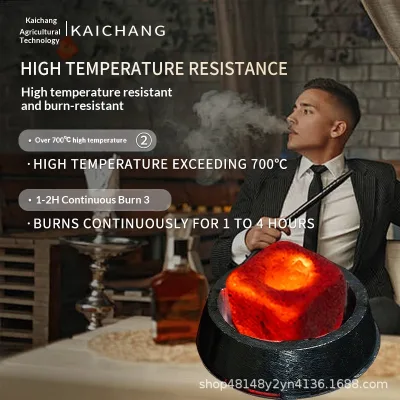
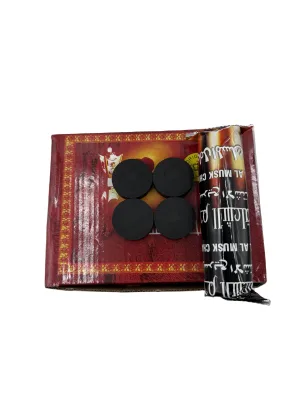
Beyond traditional grilling, the product is increasingly used in the Hookah and Shisha market. Specific model numbers, such as "cube charcoal for shisha," indicate a tailored product line for this niche. The "Hookah" application demands consistent heat output and long burning times to maintain the flavor of the tobacco without the need for frequent replacement. The "Burning Time" of 4-5 hours for certain stick variants makes them ideal for extended social gatherings.
Industrial and commercial heating applications also represent a significant market segment. The high heat value and low ash content make these briquettes suitable for metalworking, blacksmithing, and other processes requiring clean, high-temperature heat. The "Machine-Made Charcoal" designation suggests a level of consistency and uniformity that is essential for industrial furnaces where variable fuel quality can lead to inefficiencies. Additionally, the "Customization" availability allows suppliers to produce specific shapes or sizes to meet the unique requirements of large-scale commercial clients.
Supplier Evaluation and Quality Assurance
Selecting the right supplier requires a rigorous evaluation process that goes beyond price comparisons. Buyers should prioritize suppliers who provide transparent data on their production capabilities and quality control measures. The "Brand Name" and "Model Number" are standard identifiers, but the consistency of these identifiers across batches is what matters. For instance, a supplier offering the "wh-36612" model should be able to guarantee that every unit meets the specified "Fixed Carbon (%)" and "Moisture (%)" ranges.
Quality assurance protocols should include regular testing for ash content, volatile matter, and calorific value. The observed data indicates that high-quality products maintain ash content below 8% and moisture below 5%. Buyers should request sample batches to verify these specifications before committing to large orders. The "Shape" consistency, whether "Stick," "Cube," or "Lump," is also a critical quality metric; irregular shapes can lead to uneven burning and poor customer experiences.
Supplier reliability is another key consideration. The "Place of Origin" being Hebei, China, or generally China, suggests a mature manufacturing ecosystem, but buyers must verify the specific factory's capacity and track record. A supplier with a history of meeting "Selling Units" requirements and maintaining consistent "Packing" standards is more likely to deliver on time. The ability to offer "Customization" is also a strong indicator of a flexible and responsive supplier capable of adapting to changing market demands.
Long-Term Procurement Considerations
Sourcing low smoke bamboo charcoal briquettes is not merely a transactional activity but a strategic partnership that requires long-term planning. As environmental regulations tighten globally, the demand for low-emission fuels will likely increase. Buyers should consider the sustainability of their supply chain, ensuring that the bamboo used is sourced from renewable plantations and that the production process minimizes carbon footprint.
Inventory management is another critical aspect. Given the "Burning Time" and "Ignition Time" specifications, buyers must align their stock levels with their sales cycles to prevent product degradation. Moisture absorption can occur if packaging is compromised, leading to increased ash content and reduced heat value. Therefore, maintaining strict storage conditions is essential for preserving product quality over time.
Finally, buyers should monitor market trends and technological advancements in charcoal production. The evolution of "Machine-Made Charcoal" suggests that future innovations may offer even higher efficiency and lower emissions. Staying informed about these developments will allow procurement teams to adapt their sourcing strategies and maintain a competitive edge in the marketplace. By focusing on verified specifications, environmental compliance, and supplier reliability, buyers can secure a steady supply of high-quality low smoke bamboo charcoal briquettes that meet the rigorous demands of modern B2B procurement.
FAQs
What is the fixed carbon content of low smoke bamboo charcoal briquettes?
The fixed carbon content typically ranges from 80% to 90%, with some high-grade variants reaching up to 90%. This high carbon density ensures intense heat generation with minimal waste during combustion.
How long do these briquettes burn for typical applications?
Burning time varies by shape, with stick variants lasting 4 to 5 hours and smaller cubes burning for 90 to 120 minutes. This duration supports extended social gatherings or commercial heating needs.
Can I customize the shape and size of these charcoal briquettes?
Yes, customization is available for specific shapes like hexagonal sticks or cubes to meet unique client requirements. Suppliers often offer tailored dimensions such as diameters ranging from 28mm to 50mm.
What is the minimum order quantity for purchasing these briquettes?
The minimum order quantity can start as low as 1 box for trial orders, while bulk purchases may require up to 10,000 units. This flexibility allows buyers to test the market before committing to large volumes.
Where are these low smoke bamboo charcoal briquettes manufactured?
These products originate from manufacturing hubs in Hebei, China, and other regions within China. Buyers should verify specific factory locations to ensure reliable logistics and consistent quality control.
What is the ash content percentage for high-quality briquettes?
High-quality briquettes maintain ash content below 8%, with premium variants achieving as low as 3%. Low ash ensures cleaner combustion and reduces residue cleanup after use.